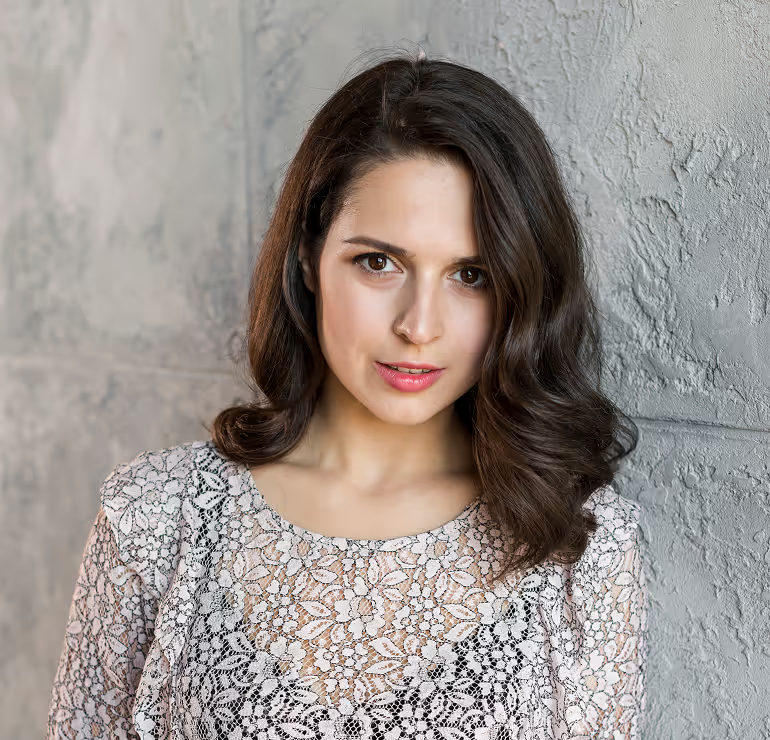
Skincare influencers are creators who build an audience around routines, ingredients and product reviews, showing textures, application and how products fit a morning or evening routine. Beauty influencers cover a wider range, including makeup and hair, and often include skincare in their content. Brands book them because skincare buyers want to see a product on real skin before they buy. Most skincare creators brands work with sit in the micro band, 10,000 to 100,000 followers, at a typical $300 to $2,000 per post in 2026. "Beauty influencers" is searched around 2,400 times a month in the US and "skincare influencers" around 390.
What types of skincare and beauty influencers are there?
Skincare splits into clear sub-niches. Ingredient explainers break down actives, formulas and labels for an audience that reads them. Routine creators film morning and night routines, which suits cleansers, serums, moisturizers and SPF. Skin-type creators focus on dry, oily or sensitive skin and attract buyers with a clear need. Clean and minimal beauty creators reach shoppers filtering by ingredients. Beauty creators blend skincare with makeup and suit brands that want a broader reach. Peptide skincare, a cosmetic category, fits ingredient-led creators best. We match by skin type, sub-niche and audience age.
Which content formats work for skincare brands?
Skincare sells on texture and routine. The formats that work are routine videos with the product in place, close-up texture and application shots, first impressions, two to four week routine diaries described as the creator's own experience, ingredient breakdowns, shelf tours and "empties" reviews. Short-form video drives discovery on TikTok and Instagram Reels. YouTube suits longer reviews and comparisons. Unfiltered lighting and real skin matter more to this audience than polished production.
How much do skincare influencers charge?
Typical 2026 rates per post are $50 to $300 for nano creators (1,000 to 10,000 followers), $300 to $2,000 for micro creators (10,000 to 100,000), $2,000 to $10,000 for mid-tier creators (100,000 to 500,000) and $10,000 or more for macro creators (500,000 and up). Paid usage rights, whitelisting and exclusivity raise the fee. Skincare brands often seed products widely to nano and micro creators first, then pay the ones whose audiences respond.
What compliance rules apply to skincare influencer content?
Skincare claims cross into drug territory fast. Naming a skin condition or promising to remove wrinkles makes a cosmetic sound like a medicine, which platforms and regulators act on. We keep creators to appearance and experience: how a product feels, how it fits their routine, what they like about it. No medical claims, no filtered or edited before and after images, no promises of results, and clear sponsorship disclosure on every post. Every script, caption and on-screen text is approved by your team before publishing.
How does booking skincare influencers through Baseamp work?
You tell us the product, skin types, budget and any claims your team has cleared. Within 48 hours we send a shortlist of vetted skincare and beauty creators with audience data, past brand work and an example rate for each. We handle outreach, contracts, product seeding and briefs, then run up to three review rounds on scripts and edits. Nothing posts without your sign-off. Weekly reporting covers views, clicks, code redemptions and sales by creator.
FAQ
Who are the top skincare influencers?
The top skincare influencers for your brand are the creators whose followers share your target skin type and already buy in your price range. A micro creator focused on sensitive skin or ingredients can sell more of the right product than a large beauty account. Baseamp ranks creators by audience fit, engagement, past brand work and content style.
What are wellness influencers?
Wellness influencers are creators who share daily health routines, food, movement, sleep and self-care habits. Skincare often sits inside those routines, which is why many skincare brands book wellness creators alongside beauty specialists.
How much do influencers charge?
Typical 2026 rates per post are $50 to $300 for nano creators, $300 to $2,000 for micro, $2,000 to $10,000 for mid-tier and $10,000 or more for macro. Usage rights and exclusivity move the price. Every creator on a Baseamp shortlist comes with an example rate.